
Longmont Braces emphasizes the significant role that technological advancements play in enhancing orthodontic treatment efficiency and patient outcomes. The practice, which serves the Longmont, Colorado community, utilizes modern orthodontic systems that enable more precise tooth movement and improved comfort compared to traditional methods from previous decades.
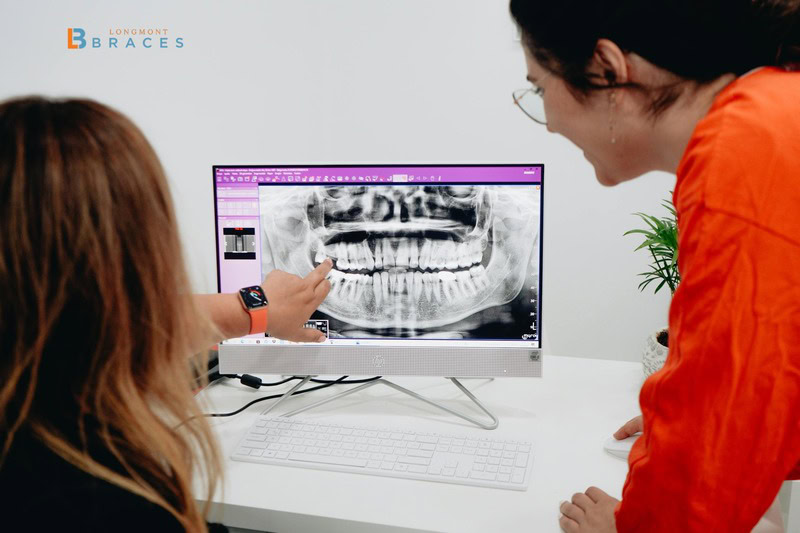
Recent developments in orthodontic technology have revolutionized how practitioners approach treatment planning and execution. Digital imaging systems, 3D scanning technology, and computer-aided treatment planning now allow orthodontists to create highly personalized treatment strategies based on each patient's unique dental structure and needs. These innovations have made orthodontic care more predictable and efficient than ever before.
The evolution of bracket design and wire technology has particularly transformed how braces function. Modern brackets feature improved engineering that allows for better control of tooth movement in multiple dimensions simultaneously. Advanced wire materials, including heat-activated nickel-titanium alloys, provide consistent, gentle forces that move teeth more comfortably and efficiently than the stainless steel wires used in earlier orthodontic treatments.
"The integration of digital technology into orthodontic practice has fundamentally changed how we approach patient care," states Dr. Stephanie Ross of Longmont Braces. "We can now visualize treatment outcomes before we begin, make more precise adjustments throughout the process, and achieve results that were much more difficult to obtain with older methods. This means shorter treatment times and better experiences for our patients."
Modern orthodontic practices now offer various braces treatment options to accommodate different patient preferences and clinical needs. Traditional metal braces have evolved to become smaller and more comfortable while maintaining their effectiveness for complex cases. Clear ceramic braces provide a more aesthetic alternative for patients seeking less visible treatment, utilizing the same advanced mechanics as their metal counterparts.
The implementation of digital treatment planning software allows orthodontists to simulate tooth movement and predict treatment outcomes with remarkable accuracy. This technology enables practitioners to identify potential challenges early in the treatment process and adjust their approach accordingly, reducing the likelihood of complications or extended treatment times.
Patient monitoring has also benefited from technological advancement. Digital progress tracking allows orthodontists to document changes precisely and make data-driven decisions about treatment modifications. Some practices have begun incorporating artificial intelligence algorithms to assist in treatment planning and progress assessment, further enhancing the precision of orthodontic care.
The improvements in orthodontic technology extend beyond the clinical aspects to enhance the overall patient experience. Modern bonding materials reduce the risk of bracket failure, while improved designs minimize irritation to soft tissues. These advancements contribute to fewer emergency appointments and more comfortable treatment experiences.
Longmont Braces incorporates these technological advancements into their comprehensive orthodontic services, which include traditional metal braces, clear ceramic braces, and other specialized treatments. The practice, led by Dr. Stephanie Ross and Dr. Aden Peterson, focuses on utilizing modern techniques to deliver personalized orthodontic solutions tailored to each patient's specific requirements and lifestyle considerations.
###
For more information about Longmont Braces, contact the company here:
Longmont Braces
Stephanie Ross
303-772-0510
info@longmontbraces.com
1266 S. Hover St, Longmont, CO 80501