
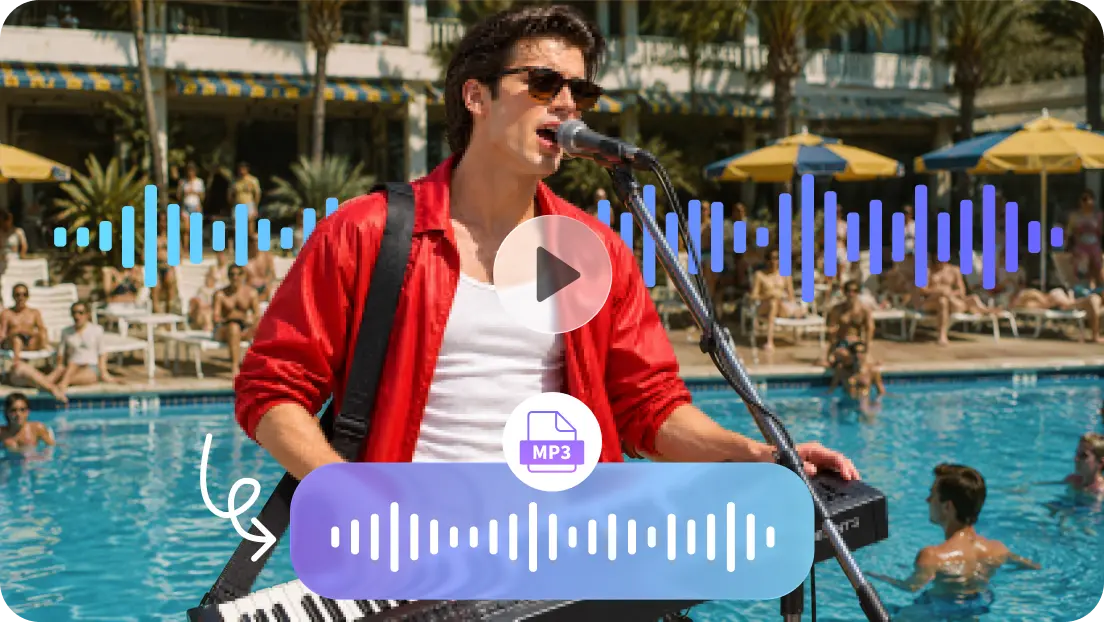
The way people create and consume digital content is changing rapidly, and artificial intelligence is playing an increasingly important role in that transformation. Audio creation, in particular, has moved beyond traditional recording equipment and complex editing software. Today, creators can use advanced AI-powered technologies to generate, enhance, and experiment with audio in more accessible ways. Among the technologies attracting attention in this space, Seedaudio 2.0 represents an interesting step toward more flexible and intelligent audio creation.
Whether you are a content creator, video producer, marketer, storyteller, or someone experimenting with artificial intelligence, understanding how modern AI audio technology works can help you discover new creative possibilities.
What Is Seedaudio 2.0?
Seedaudio 2.0 can be understood as an advanced AI-focused audio generation technology designed to make audio creation more convenient and creative. Instead of relying entirely on traditional recording methods, users can explore AI-assisted approaches for producing audio that fits different digital content needs.
The concept behind modern AI audio systems is relatively simple: artificial intelligence can analyze patterns in sound, language, tone, rhythm, and other audio characteristics to produce results based on user instructions. This can make the creative process faster while giving users more opportunities to experiment.
For creators working with short videos, social media content, presentations, advertisements, podcasts, and other digital projects, tools based on this technology can provide a practical way to explore audio without building everything manually from scratch.
Why AI Audio Technology Matters
Audio is one of the most important elements of digital storytelling. A strong visual can attract attention, but the right sound can influence atmosphere, emotion, and audience engagement. Traditionally, producing quality audio often required microphones, recording environments, editing software, sound libraries, and technical knowledge.
AI is changing this process by reducing some of the barriers associated with audio production. Users can increasingly describe what they want and allow intelligent systems to assist with the creative process.
This is especially useful for independent creators who may not have access to professional studios or dedicated audio teams. AI-assisted workflows can provide an opportunity to test different ideas quickly before deciding what works best for a particular project.
Key Possibilities With Seedaudio 2.0
One of the most interesting aspects of Seedaudio 2.0 is the potential to simplify experimentation. Instead of treating audio production as a highly technical process, creators can approach it from a more creative perspective.
For example, a video creator may need audio that matches a particular mood. Rather than searching through dozens of unrelated audio files, an AI-powered workflow can help explore concepts based on the intended atmosphere. Similarly, a storyteller may want different audio characteristics for dramatic, relaxing, energetic, or futuristic scenes.
This flexibility can be valuable when producing content for different audiences and platforms.
Creating Audio for Video Content
Video and audio work together to create a complete viewing experience. Background sounds, effects, voice elements, and other audio components can influence how viewers perceive a scene.
For social media creators, producing engaging videos often means working under tight deadlines. AI audio technology can potentially make parts of the workflow more efficient, allowing creators to spend more time developing their visual concepts and storytelling.
Creators can use Dreamina to explore creative possibilities around Seedaudio 2.0 and experiment with AI-powered content ideas that complement their broader production workflow.
A Useful Option for Content Creators
Content creation has become increasingly competitive. From YouTube videos and short-form clips to online courses and promotional campaigns, creators need to produce content regularly while maintaining quality.
This is where AI-assisted audio can become particularly useful. Instead of approaching every project with the same production method, creators can experiment with different audio concepts and find an approach that fits their content.
For beginners, the biggest advantage may be accessibility. Someone without extensive audio production experience can begin exploring creative concepts without first spending months learning complicated technical processes.
Experienced creators can also benefit because AI can become another layer within an existing workflow rather than replacing human creativity.
Improving Creative Experimentation
Creativity often comes from experimentation. A creator may start with one idea and discover something completely different after trying several variations. AI-powered audio technologies can support this process by making experimentation quicker.
With Seedaudio 2.0, the focus can be on exploring possibilities rather than following a rigid production process. Creators can consider different tones, styles, moods, and audio concepts depending on the requirements of their projects.
This approach is especially useful during the early stages of content development. Before investing significant time in a final production, creators can explore ideas and determine which direction feels most suitable.
Applications Across Different Industries
AI audio technology is not limited to social media creators. Different industries can potentially benefit from faster and more flexible audio workflows.
Marketing teams can explore audio concepts for advertising campaigns. Educators can experiment with audio for digital learning materials. Game developers can investigate new ways to develop atmospheric elements. Businesses can use AI-assisted workflows when creating presentations, promotional videos, or other branded content.
Even independent filmmakers and storytellers can benefit from having more creative options during the development process.
The growing range of applications demonstrates why AI audio is becoming an important area within the broader artificial intelligence landscape.
AI Audio and Human Creativity
Although artificial intelligence can automate or assist with certain parts of audio creation, human creativity remains essential. AI can generate possibilities, but creators still need to decide what fits their message, audience, and overall artistic direction.
The best results often come from treating AI as a creative assistant rather than a complete replacement for human decision-making. A creator can use technology to explore ideas, compare different approaches, and accelerate repetitive stages while maintaining control over the final result.
This balance between automation and creativity is likely to become increasingly important as AI audio technology continues to develop.
The Future of AI-Powered Audio
The development of technologies such as Seedaudio 2.0 reflects a broader shift in how digital media is produced. Audio creation is becoming more accessible, experimental, and closely connected with artificial intelligence.
As AI models become more capable, future audio tools may offer even greater control over sound characteristics, creative direction, and content personalization. This could make professional-quality experimentation available to a much wider range of users.
At the same time, creators will continue to play an important role in determining how these technologies are used. The technology can provide possibilities, but storytelling, originality, and creative judgment will continue to shape the final result.
Final Thoughts
AI is opening new doors for digital audio creation, and Seedaudio 2.0 is part of a broader movement toward smarter and more accessible creative technologies. From video production and marketing to storytelling and educational content, AI-assisted audio can help creators explore ideas that may have previously required more time, equipment, or technical expertise.
For anyone interested in modern content creation, learning about AI audio technology can be a valuable step toward understanding where digital media is heading. The most exciting opportunity is not simply automation, but the ability to experiment with new creative concepts and turn ideas into engaging audio experiences more efficiently.