
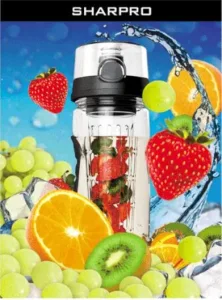
Traditional printing produces clear, static images for brochures, postcards, folders, business cards, and many other printed materials. However, some projects require a stronger visual impact to capture attention.
As your printed piece competes with many other designs, a flat image may not always leave a lasting impression. For that reason, selecting the right printing method becomes an important part of your project.
Instead of showing one fixed image, 3D lenticular printing changes as you move it. Depending on the design, you may see motion, depth, or even a completely different image from another angle. These effects turn a printed piece into something more engaging while keeping your message clear.
Unlike traditional printing, lenticular printing adds motion and depth that make printed pieces feel more engaging. The sections below highlight what sets it apart and how those differences bring printed materials to life.
1. Motion Effects Create Interactive Viewing Experience
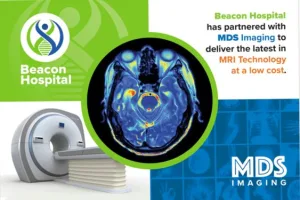
An ordinary printed piece displays a single image that looks the same from every angle. Because nothing changes, many viewers glance at it and move on.
Now imagine a postcard that changes as you tilt it, with one side showing a product and the other revealing how it works. That’s the kind of effect lenticular printing can create.
It uses a specially designed lenticular lens layered over precisely aligned images to create motion, animation, and depth within a single print. Enduraline 3D Lenticular is one example of this approach, offering effects such as flip images, zoom effects, morphing transitions, and true 3D visuals.
Instead of simply looking at the piece, viewers naturally tilt and move it in their hands to see what happens next. That small interaction often turns a quick glance into a longer, more memorable experience.
2. Multiple Images and Visual Depth Fit into Single Print
A typical printed surface shows just one image. Since there is no possibility of getting a different perspective, it usually results in the addition of pages or making individual works.
With lenticular printing, a single surface can tell multiple stories. A product can move at one angle and then to another; a before-and-after transformation may unfold, or a sequence may occur as the viewer moves the work.
Meanwhile, the effect of depth makes some elements look dimensional; some come closer, and others recede farther. This mix minimizes the need for additional materials and makes the design appear more dynamic. You are adding more perspective to the same space without adding additional pages.
Such flexibility can streamline numerous marketing materials that require elucidating a procedure or juxtaposing various concepts. Key information can be obtained from a single lenticular print because the viewing angle can be adjusted without turning through several pages. The outcome is a more refined design without losing aesthetic appeal.
3. Print Applications Expand Beyond Standard Materials
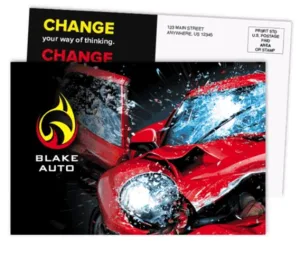
Brochures, presentation folders, flyers, posters, journals, notepads, business cards, labels, and envelopes are all considered standard print products.
Lenticular printing does not take the place of those formats- it reinvents them. There are several services that can be shown on a business card. A retail display has the ability to change product features. A brand message can be brought to life within a few seconds using a postcard.
These applications are particularly effective in places where attention-grabbing is important, e.g., in trade shows, retail spaces, or direct mail campaigns. Since the format remains commonplace, lenticular printing can be integrated into the existing marketing strategies. Meanwhile, it introduces a certain visual interest that plain prints cannot possibly provide.
Lenticular printing can also be used in many sizes and formats, including handheld items such as business cards, postcards, and book covers, as well as large displays, posters, and point-of-sale signage. By aligning the lens direction and design with the desired viewing distance, you can achieve the maximum visual effect in each application.
4. Advanced Production Creates Precise Lenticular Effects
Most commercial printing uses digital presses for short runs and offset presses for larger jobs, delivering consistent color and sharp detail.
Lenticular printing requires greater precision. Multiple images must align perfectly beneath the lens to create smooth transitions, and even minor shifts can disrupt the effect.
Both digital and offset printing can support lenticular projects, depending on run size and requirements. Success depends on careful image preparation, lens selection, and press calibration.
Artwork must be planned carefully so text, logos, and layered images align correctly. Proper file setup ensures clean transitions and realistic depth as the viewing angle changes.
5. Designs Leave Stronger Impression

Many marketing projects still rely on traditional printing because it delivers clear, readable graphics.
Lenticular printing changes how people interact with a printed piece. They do more than simply read or view the piece—they engage by tilting and exploring the design. That extra moment of curiosity often leads to stronger recall.
Because viewers spend more time examining the design, they also have more opportunities to notice important details such as product features, brand messages, or promotional offers. This added engagement can make printed marketing materials feel more memorable than a traditional static design. In crowded environments where many messages compete for attention, that difference can matter.
Whether used for product launches, event promotions, or in-store displays, lenticular designs tend to linger in the viewer’s mind because they invite participation rather than just observation.
Bottom Line
Traditional printing remains a dependable choice for everyday projects, while 3D lenticular printing adds motion, depth, and changing visuals that static printing cannot achieve. Choosing between the two depends on your budget, what you want to communicate, and the level of visual impact you want.
Understanding those differences helps you choose the printing method that best fits your project. Selecting the right approach can make your printed materials more effective and memorable.